Children's book author
Anna McQuinn
  • Home
  • MY BOOKS
  • Blog
  • ZEKI EATS OUT backstory
    • Article -LEO LUNCH backstory
  • More about Zora's Bees
    • Index to BEE topics
  • Articles
    • TIPS - Moving House
    • Empathy and Lulu Gets a CAT >
      • Article - EMPATHY!
      • ARTICLE - TEACH CONSENT via Picturebook
      • Article - Hugs for holidays
    • ARTICLE - ZEKI Rise & Sleep
    • ARTICLE - LEO Rise & Sleep
    • TIPS - Starting School
    • ARTICLE - All about Kanga >
      • ARTICLE - Kanga in books
      • ARTICLE - Kanga LULU Nana
    • Articles about specific books >
      • Flowers, Secret gardens and flower names
      • Morning and Bedtime Routines
      • Kanga - an inspirational facric from Tanzania
      • Sleepovers and Identity
      • Preparing to start school or pre-school
    • Articles about Inclusion
    • Articles about WRITING & PUBUBLISHING
    • Articles about CHILD DEVELOPMENT
  • ACTIVITIES
    • World Book Day ideas
    • Activities - Zeki MARKET
    • Activities about PETS
    • Activities about Flowers
  • LISTEN!
    • Éist!
  • Banned Books
    • My statement on Banned Books
  • Talks, Workshops and Author visits
  • Appreciation Page
  • illustrators / co-authors
  • Prizes
  • About
  • Contact me
    • Links - other
  • Information for writers
In swarm season (in ireland that's mostly at the end of May, into June - though I've had swarms as early as April and as late as September) beekeepers often put out 'bait hives'. These are regular hives (or smaller nucs) with empty frames in. When scout bees (see more here) are on the lookout for new accomodation, placing a lovely hive all ready for them to move in may be just the thing to tempt them.
Bait hives are exactly like regular hives but are often sited slightly higher (on a box) to make them easier to find.

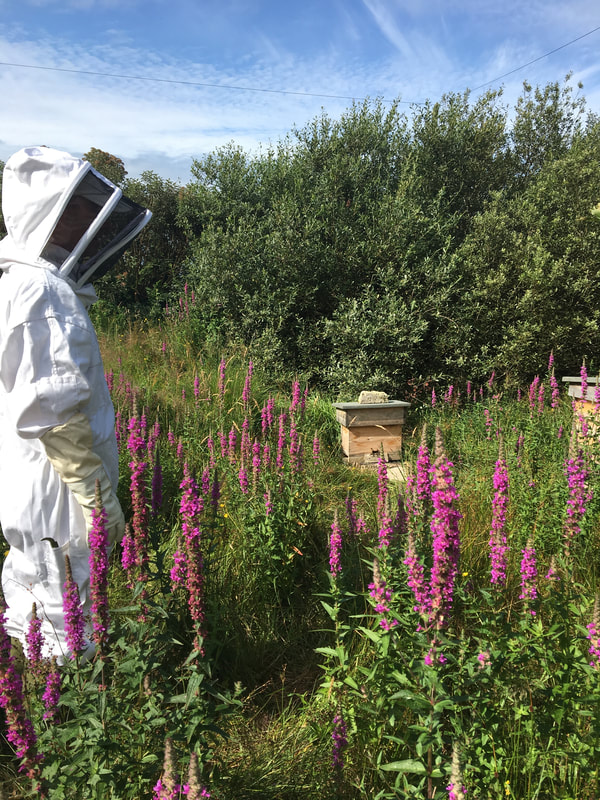
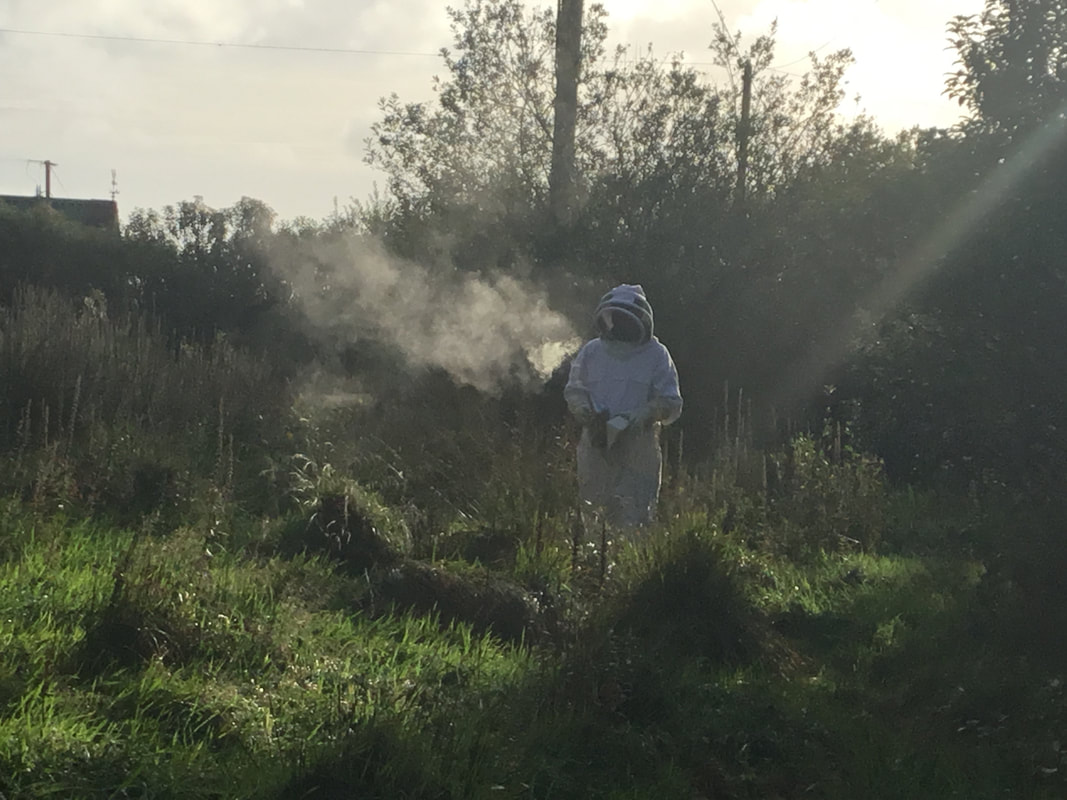
Beekeeper kit!

Picture
Picture
Picture

Picture
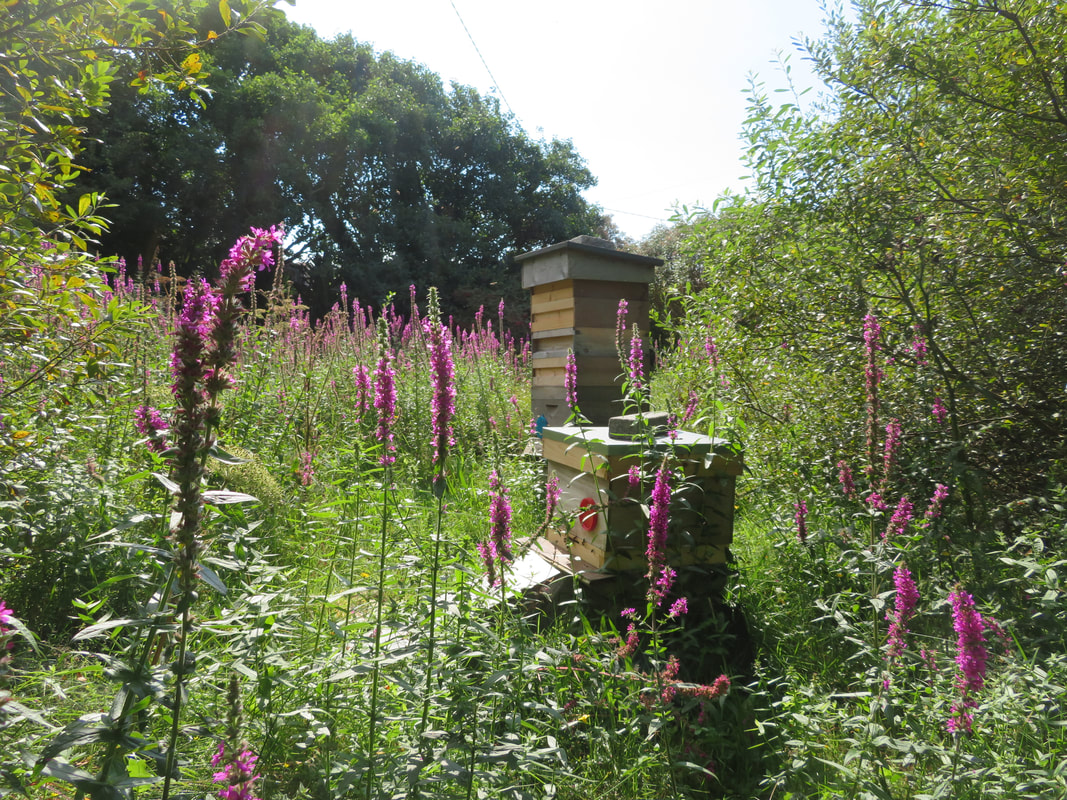
The tall hive has three supers stacked on top of the brood box (a good year for us). The hive in the foreground is a recently-caught swarm, so only just building up its numbers. Probably no honey from them this year, but next year...
Picture

Proudly powered by Weebly